Trade and entrepreneurship remain central to Islamic economic thought, says the expert, urging wider discussion on alternative financial models
New Delhi :
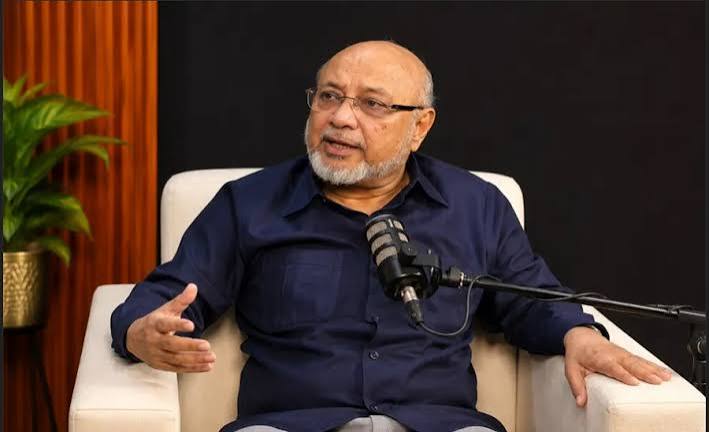
Islamic finance expert Abdul Raqeeb has called for greater focus on trade, entrepreneurship, organised zakat and ethical financial systems to improve the economic condition of Muslim communities, saying that wealth creation must come before wealth distribution.
“Until wealth is created, how can it be distributed? There is blessing in trade, and the pursuit of lawful livelihood is itself an act of worship,” Abdul Raqeeb said in a recent podcast Deen Aur Duniya with host Saqib Salim.
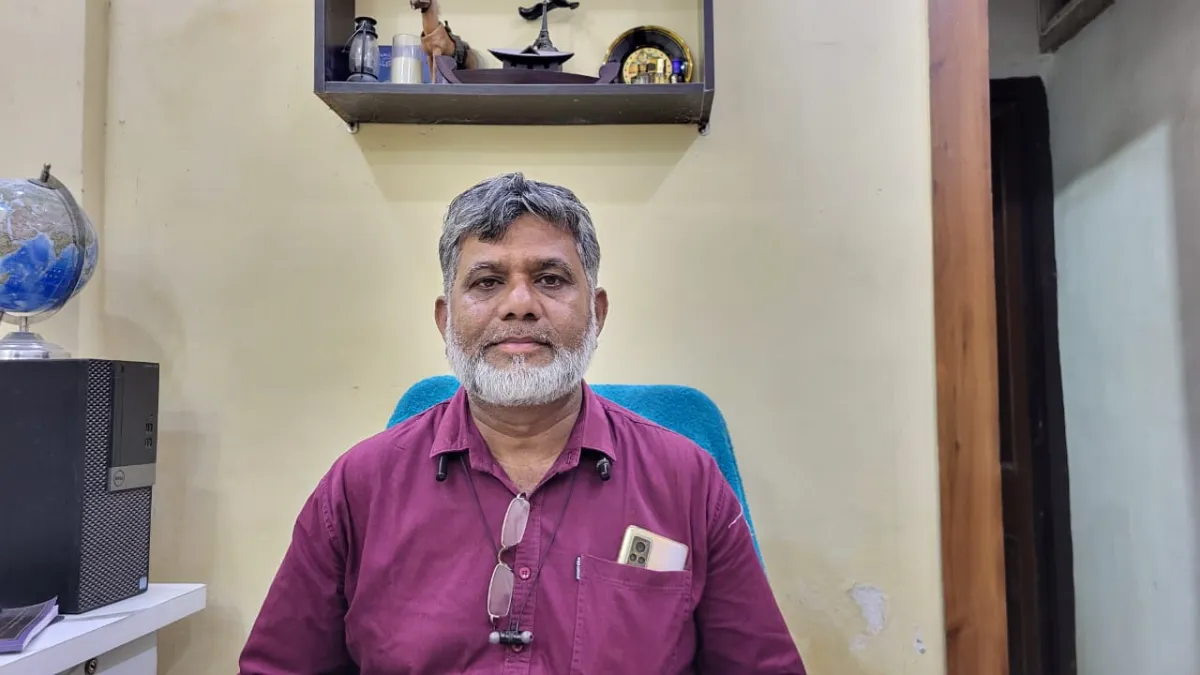
Abdul Raqueeb, General Secretary of the Indian Centre for Islamic Finance (ICIF), spoke in detail about Islamic economics, modern financial systems and the economic direction of Muslim societies.
He argued that many economic difficulties faced by Muslim communities are not only financial but also intellectual. According to him, while religious practices receive considerable attention, economic activity and business often do not receive the same level of importance despite their place in Islamic teachings.
According to Abdul Raqeeb, this imbalance has contributed to economic weakness in many Muslim societies.
“A society cannot progress only through consumption and distribution. Production and wealth creation are equally important,” he said.
He added that many Muslims have gradually moved away from entrepreneurial activity, resulting in reduced participation in trade and industry.
Responding to questions about Islam’s approach to commerce, Abdul Raqeeb said trade has always occupied an honoured position in Islamic civilisation. He pointed out that Prophet Muhammad was himself a successful trader and that the business activities of Hazrat Khadijah remain an important example in Islamic history.
“Islam did not discourage trade. It provided moral principles such as honesty, trustworthiness and fairness, making commerce a respected and ethical profession,” he said.
He also emphasised that business involves risk and that risk-taking is an essential element of economic growth and innovation.
Referring to a well-known narration often quoted in discussions on trade, he said that a significant portion of livelihood is connected with commerce and business activity.
Abdul Raqeeb highlighted the economic model established in Madinah during the time of the Prophet. He noted that alongside the establishment of the mosque, an independent and transparent marketplace was also created.
According to him, the market operated on principles of fairness, free competition and ethical conduct.
“There was oversight to prevent fraud and exploitation, but there was no monopolistic control. It was a market based on transparency and trust,” he said.
A substantial part of his remarks focused on Islamic banking and financial systems. When asked how Muslims can access financial services while avoiding interest-based transactions, Abdul Raqeeb explained that Islamic finance operates through profit-and-loss sharing mechanisms rather than conventional interest.
He said that Islamic financial institutions are functioning in approximately 75 countries in different forms.
Models such as Musharakah, Mudarabah and Murabaha provide alternatives that are structured around partnership, investment and trade rather than interest-based lending.
“Many people think Islamic finance is only a religious concept, but it is also a practical economic model that is operating successfully in different parts of the world,” he said.
Discussing the Indian context, Abdul Raqeeb observed that although full-scale Islamic banking is not available in the country, alternative arrangements do exist. He referred to cooperative societies and certain non-banking financial institutions that operate with limited or non-interest-based structures.
According to him, these examples demonstrate that alternative financial models can function within existing economic frameworks.
Abdul Raqeeb cited Kerala as an example of how economic cooperation can contribute to social harmony. He said Hindu and Muslim communities in the state often participate in business activities together, creating strong economic interdependence.
According to him, such cooperation helps reduce tensions because prosperity becomes linked to mutual interests.
He also noted that a considerable amount of savings within the Muslim community remains locked in assets such as gold and land rather than being channelled into productive investment.
The discussion also touched upon legal and policy debates surrounding Islamic finance in India. Abdul Raqeeb said that proposals relating to alternative financial systems have faced legal scrutiny in the past.
However, he argued that any financial model that contributes to economic development and social welfare deserves serious consideration rather than outright rejection.
One of the most significant parts of his remarks focused on zakat. Abdul Raqeeb described zakat not merely as a religious obligation but as an economic institution designed to circulate wealth within society.
He expressed concern that zakat today is largely distributed at an individual level, limiting its wider economic impact.
“The issue is not the amount of zakat available. The issue is how it is organised and utilised,” he said.
According to him, much of the zakat collected is used for immediate relief and short-term needs, which certainly helps recipients but often fails to create lasting economic change.
He suggested that organised committees at local mosques could manage zakat funds more effectively and direct resources towards education, skill development and support for small businesses.
“If zakat is managed institutionally and invested in human development and entrepreneurship, it can play a major role in reducing poverty,” he said.
Drawing on his own experience, Abdul Raqeeb said that business success should not be measured only by profits. He explained that every commercial activity carries both opportunities and risks.
“People often see the gains but ignore the losses. Real success comes through patience, balance and long-term thinking,” he said.
Concluding his remarks, Abdul Raqeeb stressed that Islam encourages a balance between spiritual and material well-being. He said hard work, ethical conduct, lawful earnings and social responsibility are all part of the Islamic way of life.
“Religion and worldly affairs are not in conflict. They complement one another when guided by moral principles,” he said.
Abdul Raqeeb maintained that Islamic economics, trade, zakat and ethical finance are interconnected elements of a broader economic vision. He argued that if these principles are implemented collectively and effectively, they can contribute not only to economic growth but also to greater social justice, poverty reduction and community development.
source: http://www.clarionindia.net / Clarion India / Home> Big Story> Economy> India / by Team Clarion India / June 01st, 2026
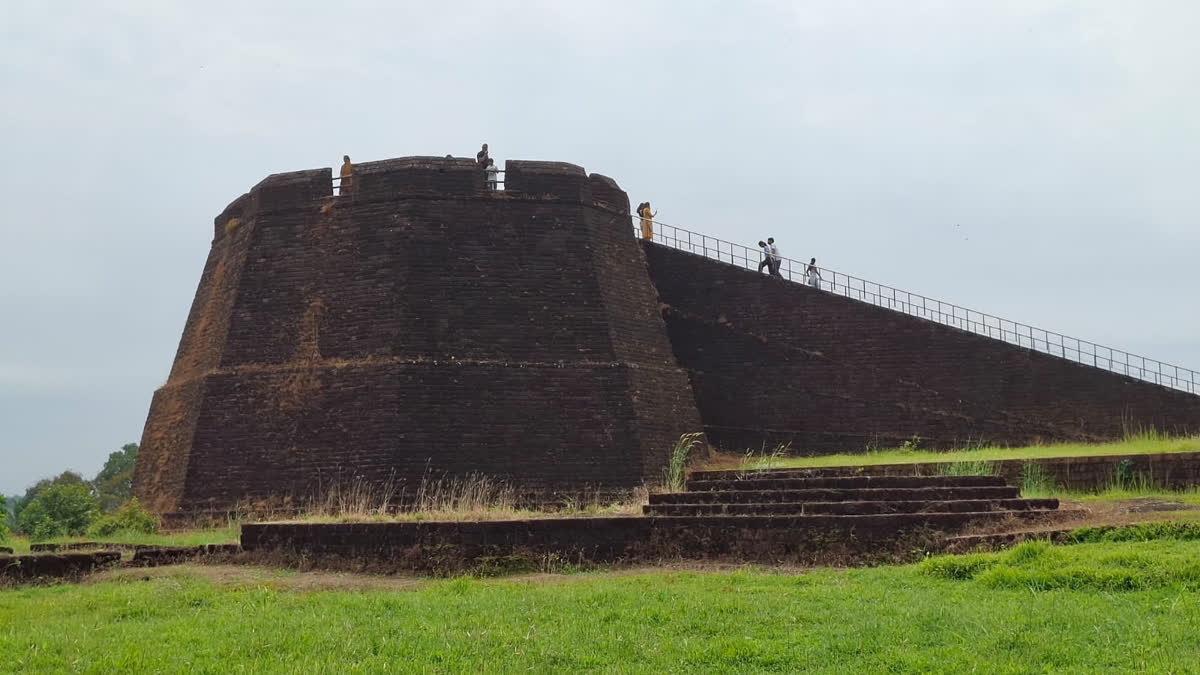
The fort complex hosts a Hanuman temple and a mosque associated with Tipu Sultan while Bekal Beach adds to the area’s appeal, reports Sandeep Balakrishnan.
The historic Bekal Fort in Keralam’s Kasaragod district which will host a heritage museum to display over 2000 artefacts. (ETV Bharat)
Kasaragod:
A heritage museum is proposed inside the historic Bekal Fort in Keralam’s Kasaragod district to display more than 2,000 artefacts recovered during archaeological excavations, giving visitors an opportunity to explore the area’s history through ancient coins, weapons, ornaments, pottery and other objects.
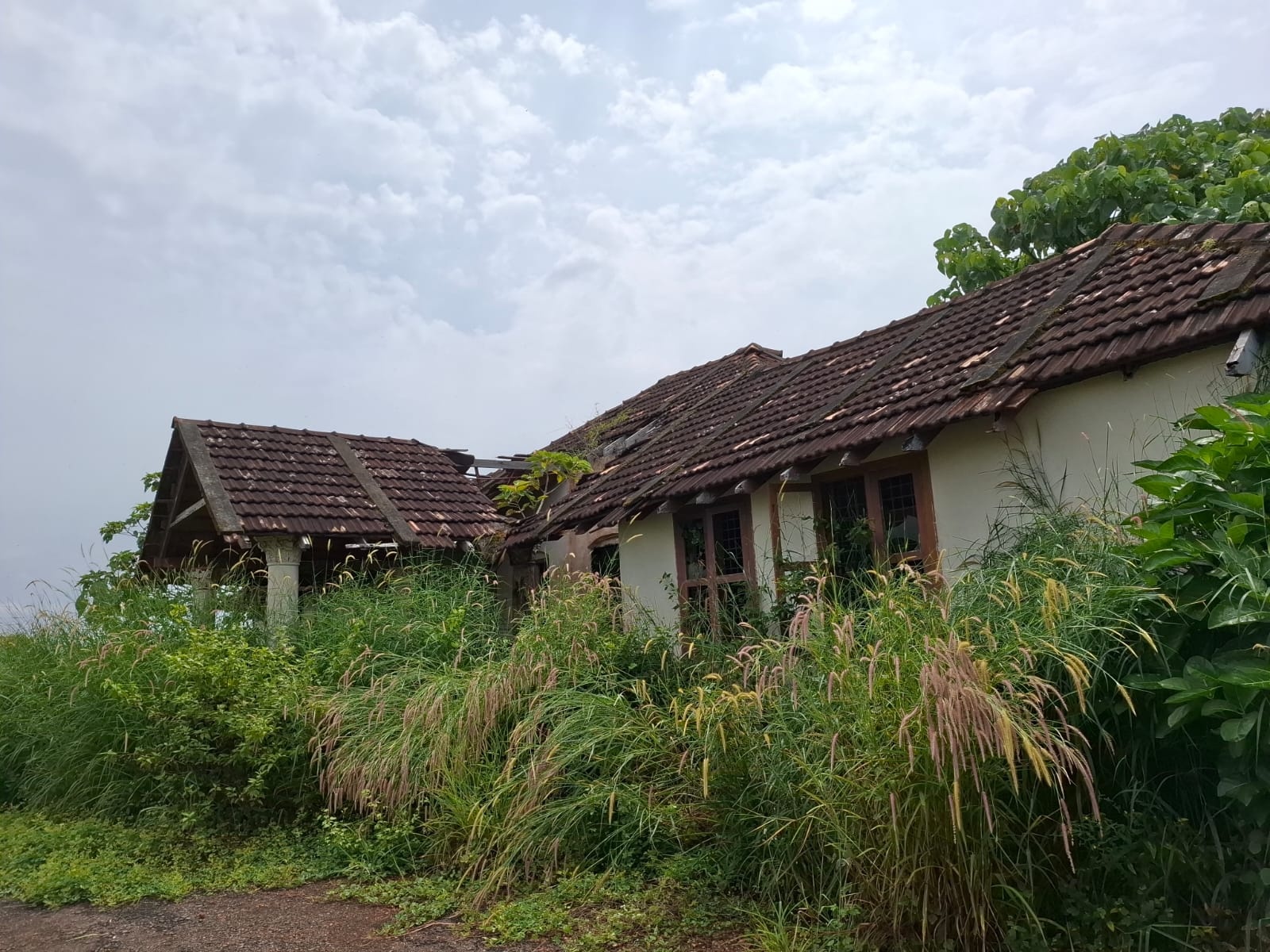
The museum is planned in a heritage bungalow within the fort premises, currently under the possession of the Bekal Resort Development Corporation (BRDC). The building belongs to the Keralam State Department of Archaeology, and steps have been initiated to reclaim it. The museum project is expected to move forward once the property is handed over to the department.
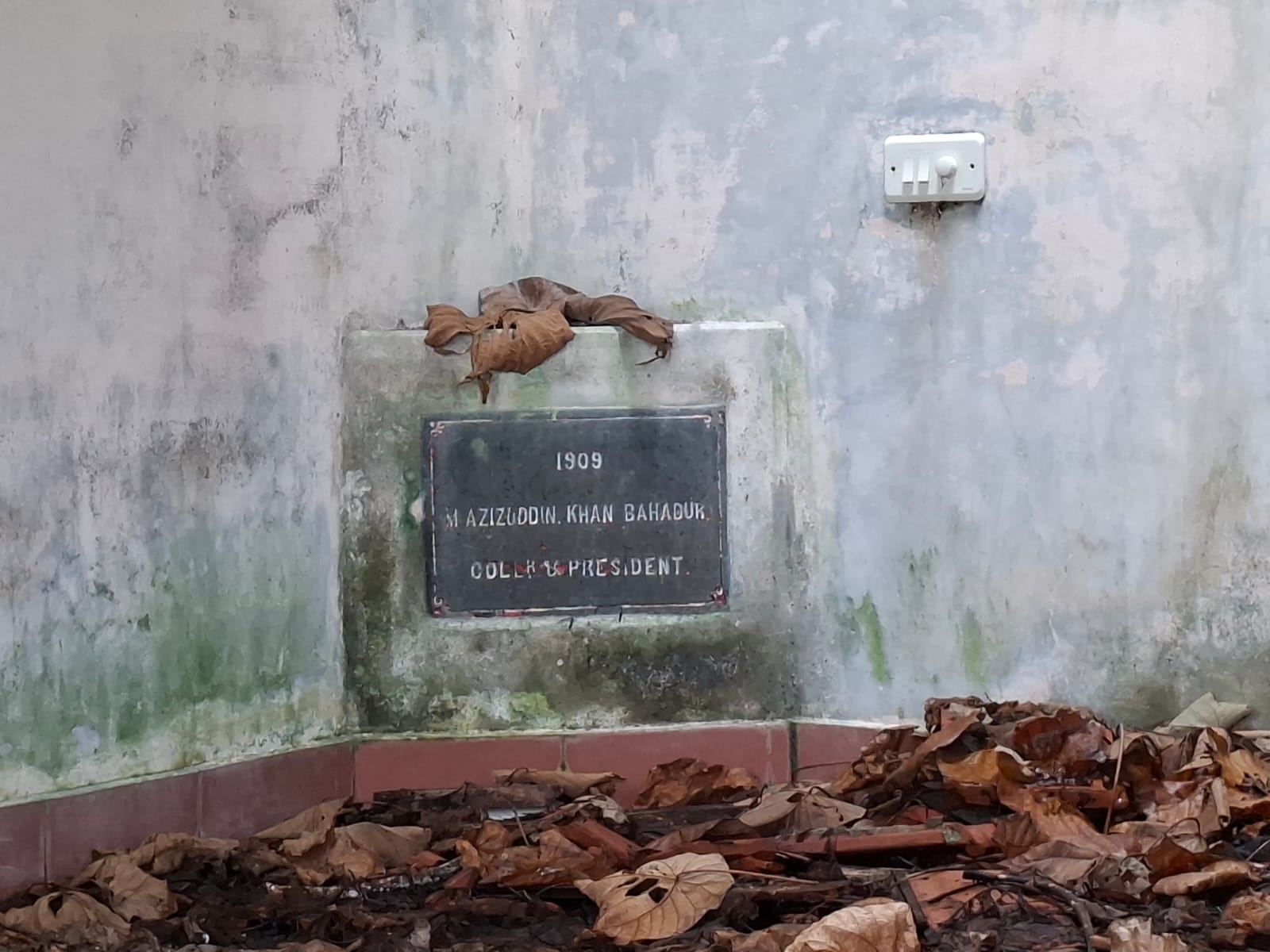
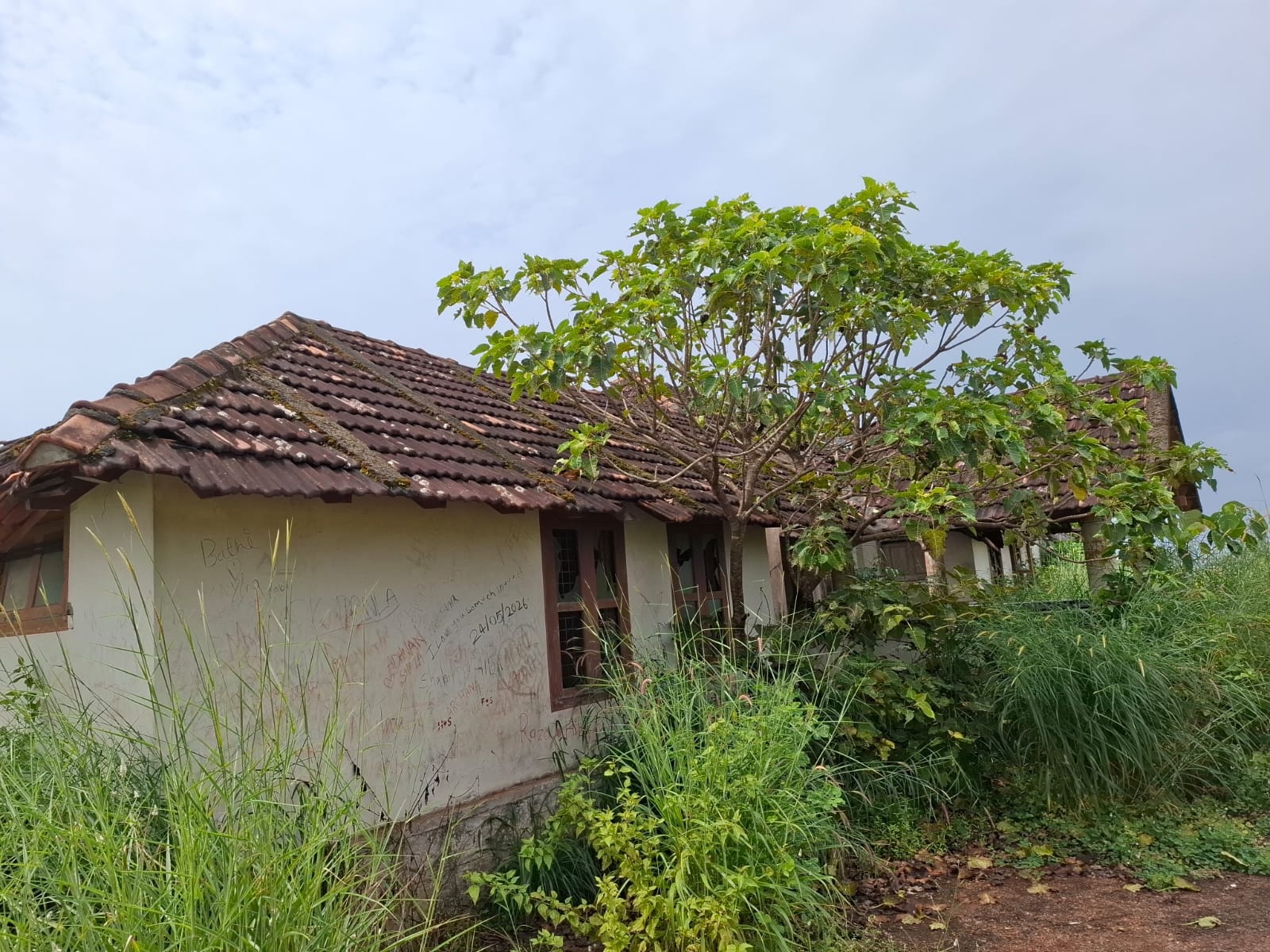
An inscription at the building indicates that it dates back to 1909 (ETV Bharat)
An inscription at the building indicates that it dates back to 1909. Since Bekal Fort is a protected historical monument, new construction is restricted, making the adaptive reuse of the existing heritage structure central to the proposal.
Bekal Fort underwent extensive archaeological investigations by the Archaeological Survey of India (ASI), including excavations during 2000-01. These unearthed evidence of different phases of occupation, including remains identified as palace structures, a durbar hall, a temple site and a mint believed to have operated during the reign of Tipu Sultan or under the Mysuru rulers.
Artefacts Reflect Successive Ruling Dynasties
More than 2,000 artefacts were recovered during the excavations. The collection includes coins, metal objects, terracotta seals, pottery fragments, bangles, gold ornaments and other objects that offer insights into the region’s political, economic and cultural history.
Among the significant discoveries were around 300 coins and coin dies associated with the Tipu Sultan era. The copper coins varied in size and carried inscriptions in Persian script. Archaeologists also recovered silver coins, copper blanks used in minting, and terracotta and copper casting moulds, supporting the interpretation that a mint operated within the fort complex.
The museum is planned in a heritage bungalow within the fort premises, currently under the possession of the Bekal Resort Development Corporation (ETV Bharat)
The excavations also revealed residential structures, including a traditional four-courtyard house, a kitchen with hearths and a granite grinding stone. The positioning of a house between two wells led archaeologists to suggest that it may have belonged to the mint’s supervisor, while nearby dwellings could have housed workers.
The recovered objects represent different periods associated with the Ikkeri rulers and the Mysore royal dynasty, including the period of Tipu Sultan. Artefacts linked to the Ikkeri dynasty were found on the eastern side of the fort, while those associated with the Tipu Sultan period were reported from the western side.
The artefacts are currently in ASI custody in Thrissur. Their proposed display at Bekal Fort would bring the archaeological findings closer to the site where they were discovered.
A Landmark Of Coastal History
Spread across a headland overlooking the Arabian Sea, Bekal Fort is one of the most prominent historical monuments in Keralam. Historians commonly associate its construction with Shivappa Nayaka of the Ikkeri dynasty during the 17th century, although the wider history of the region also includes the Kadambas, Kolathiri rulers, the Mysore kingdom and British colonial rule.
The heritage museum will come up within the fort premises, under the possession of the BRDC. (ETV Bharat)
The approximately keyhole-shaped fort is built largely of laterite blocks, with imposing outer walls and strategically positioned openings designed to help guards monitor approaching forces from the sea and surrounding areas. Its surviving features include observation towers designed for cannons, step-wells and underground passages.
The fort complex also contains a Hanuman temple and a mosque associated with Tipu Sultan. Bekal Beach, situated nearby, adds to the area’s appeal as a tourist destination.
The proposed museum would offer a permanent setting for the artefacts and provide visitors with a deeper understanding of Bekal Fort’s archaeological significance and the successive powers that shaped the history of the area.
source: http://www.etvbharat.com / ETV Bharat / Home> National> Offbeat / by Sandeep Balakrishanan, ETV Bharat English News / October 16th, 2026
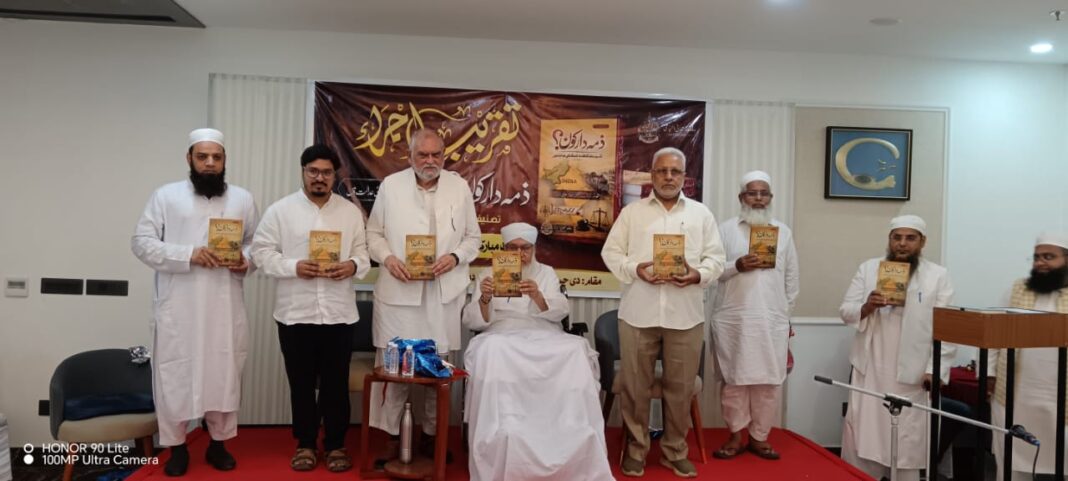
A book titled “Zimmedar Kaun? Taqseem-e-Hind Ka Muqaddama Insaaf Ki Adalat Mein” (Who is Responsible? The Case of the Partition of India in the Court of Justice) was released by well-known Islamic scholar Hazrat Maulana Khalil-ur-Rahman Sajjad Nomani, at the Jasola Hotel here on Friday.
Authored by researcher Muhammad Sujood-ul-Aziz Al-Qasmi, the publication offers an unbiased, objective examination of the 1947 Partition of India. Utilizing primary documentary evidence, historical facts, and key correspondence, the author frames Partition as a courtroom trial to deliver a fair analysis of the respective roles played by the British Raj, the All-India Muslim League, and the Indian National Congress.
Key speakers—including veteran journalist Dr. Zafarul-Islam Khan and senior journalist Masoom Moradabadi—lauded the author’s painstaking research and the book’s scholarly depth. Attended by prominent local religious figures, distinguished women, and numerous students, the gathering widely praised the volume as a landmark contribution to historical and socio-political literature.
Eminent senior Urdu journalist, columnist, and editor of “Jadeed Khabar”, Mr. Masoom Moradabadi, brought a sharp journalistic and analytical lens to the podium. Opening his address, he reflected on the purpose behind literary works, noting that while Urdu media frequently publishes book reviews, truly purposeful and substantive contributions remain rare. The supreme merit of Al-Qasmi’s work lies in its rigorous research methodology. Eschewing oral hearsay and unverified folklore, the author navigated authentic Urdu, English, and historical archival sources with academic discipline, producing an investigative masterpiece that warrants the highest commendation.
Transitioning to the broader context of Partition historiography, Moradabadi challenged the conventional narrative that places Muslims exclusively in the dock. He drew attention to significant analytical works published across the border, such as Syed Hasan Riaz’s monumental 1,400-page volume ‘Pakistan Naguzeer Tha’ and Chaudhry Khaliquzzaman’s ‘Shahrah-e-Pakistan’, alongside notable Indian contributions like Kamleshwar’s ‘Kitne Pakistan’. Addressing the core question of why this retrospective debate matters nearly eighty years post-independence, he underscored that the Partition remains one of history’s worst human catastrophes, claiming nearly a million innocent lives.
While political theorists often argue that a unified nation would have spared Indian Muslims their current socio-political vulnerability, historical realities demand deeper contemplation. Pakistan, founded upon religious nationalism as a “Mamlekat-e-Khudadad,” fractured along linguistic lines in 1971 with the emergence of Bangladesh. Highlighting the irony inherent in majoritarian political demands, Moradabadi shared his frequent counsel to proponents of a mono-cultural state: “If you wish to reshape India, as a “Hindu Rashtra” look first at the complex realities and fragmentation haunting Pakistan’s history!”—a challenge that invariably leaves proponents silent.
Detailing the grim socio-economic realities of migrant communities (Muhajirs) in urban centers like Islamabad and Karachi, he emphasized that the sacrifices underpinning Pakistan’s creation were heavily compromised by feudal hegemony and elite governance. The systemic marginalization faced by minority and migrant populations across borders serves as a poignant reminder of the failures of majoritarian statecraft. In India, the continuous weaponization of Partition to demand questioning of community loyalty constitutes a malicious scheme by fringe extremist elements. Moradabadi concluded with an earnest recommendation: to bridge cultural divides and counter misinformation effectively, this stellar research work must be translated into Hindi and edited by linguistic experts to reach a broader national readership where the book trade thrives.
Eminent Islamic scholar and founder-editor of The Milli Gazette, Dr. Zafarul-Islam Khan delivered a keynote address characterized by intellectual rigor and fearless candor. Opening his remarks, Dr. Khan congratulated the author for steering clear of emotional rhetoric and adopting a balanced, scholarly methodology that refreshes historical debate.
Focusing on community communication failures, Dr. Khan observed that Indian Muslims have historically failed to articulate their grievances and historical narrative effectively to the global and national mainstream. Whatever documentation existed remained confined to Urdu—a language that itself became a victim of Partition’s linguistic reorganization. Had unity been preserved, Urdu would likely have stood alongside Hindi as a national co-official language. While English persists as an administrative bridge for non-Hindi speaking southern and eastern states, Northern India’s “Cow Belt” has overwhelmingly adopted Hindi as its vernacular baseline. Despite these shifts, Dr. Khan stressed the urgent moral imperative to protect and propagate Urdu, noting that after Arabic, the richest theological and literary heritage of Islamic scholarship resides within Urdu texts, surpassing even Persian in certain analytical compilations.
Reflecting on constitutional history, Dr. Khan recounted the tragic marginalization of Urdu during Constituent Assembly voting, where a initial majority favouring Urdu was overturned due to political compromises. He recalled that Begum Ezaz Rasul’s casting vote in the Constituent Assembly made Hindi the national language but she failed to extract the concession to make Urdu the second official language. He recalled Sardar Patel’s historic assurances regarding minority integration and political reservations and protections that minority leadership voluntarily relinquished in good faith within a secular framework, only to face systemic erosion decades later. Contrasting this trajectory with international models, he cited the Jewish community’s systematic efforts to memorialize historical persecution through literature, cinema, and rigorous legal protections across Western Europe. While external political actions continue to reshape global sympathies, minority communities in pluralistic societies must master modern bridge languages—specifically English —to project their contributions and historical truths accurately.
Challenging simplistic attributions of blame for the Partition, Dr. Khan offered a nuanced structural analysis. The tragedy cannot be reduced to a single culprit; colonial conspiracies played a decisive role. British imperial strategy abhorred the prospect of leaving behind a monolithic superpower comprising India, Pakistan, and Bangladesh—an economic titan commanding a huge chunk of global GDP. Colonial historiography, spearheaded by chroniclers like Elliot and Dawson post-1857, systematically injected communal poison into historical texts. In reality, the Mughal rulers and Muslim dynastic governance integrated disparate principalities into a cohesive economic and administrative grid stretching from Kabul to south India. Concluding his address, Dr. Khan endorsed the book as a monumental, objective contribution that paves the way for intellectual clarity. He suggested that the book should be translated at least into Hindi.
In his visionary presidential address, renowned Islamic scholar Hazrat Maulana Khalil-ur-Rahman Sajjad Nomani elevated the discourse from political critique to civilizational psychology and spiritual resilience. Analyzing the dynamics of societal rise and fall, Maulana Nomani emphasized that navigating severe socio-political adversity requires a balanced, composed psychological state. Despair, panic, and emotional reactivity cloud intellectual clarity and paralyze collective progress. Just as individuals experience biological cycles of health and illness, nations traverse historical epochs of ascendancy and decline governed by universal divine laws.
Addressing the contemporary hopelessness gripping the Muslim community, the Maulana asserted that the current cycle of decline is neither permanent nor absolute. Prophetic traditions explicitly outline periods of trial for the Ummah, but they equally promise a grand renaissance—a ‘Nishat-e-Saaniya’—wherein past prestige and moral leadership will be restored through divine providence. Achieving this revival, however, demands systematic intellectual, moral, and emotional training. During times of intense crisis, leadership must extinguish fear, kindle hope, and foster critical self-accountability.
Maulana Nomani cautioned against internal inferiority complexes fuelled by historical ignorance and unverified propaganda. The persistent self-doubt among the younger generation—questioning whether elders erred in pursuing Partition—stems from a superficial reading of history. A rigorous historical inquiry must examine the complex web of British divide-and-rule tactics, broken political pacts, and compelling existential pressures that forced communities into corners. He praised young scholar Muhammad Sujood-ul-Aziz Al-Qasmi for stepping forward with methodological rigor to counter emotionally charged, rhetorical narratives with archival documentation.
Presenting an extensive and deeply reflective introduction to his work, author Maulana Muhammad Sujood-ul-Aziz Al-Qasmi addressed the audience with an impassioned discourse on the imperatives of historical truth and collective memory. Nearly eighty years have passed since the partition of the country, yet the socio-political climate shows no signs of healing or progressive evolution. Muslims—who shed the most blood and offered unprecedented sacrifices for the liberation of their beloved motherland—find themselves regrettably thrust into the dock of public scrutiny today. An insidious indictment is consistently levied against them, branding them as the primary culprits and sole architects of the Partition of India. The rhetoric has reached such a distressing juncture that the community’s collective fate is brazenly framed around coercive premises: ‘Since a separate nation was carved out in the name of Islam, those who remained here must accept life as second-class citizens’, and ‘If Pakistan could be founded in the name of Islam, why shouldn’t a Hindu Rashtra be established in the name of Hindus?’
Reflecting on the psychological burden this narrative places on the community, the author noted that without access to true historical facts, even conscientious citizens are often left uncomfortable when confronted with such probing queries from fellow countrymen. For years, he harboured a profound internal conflict, mindful of the immense sacrifices rendered by Muslims during the freedom struggle—especially the tragic saga of the First War of Independence in 1857. During that dark period, freedom fighters were crushed in oil mills across the landscape from Chandni Chowk in Delhi to Lahore, and the bodies of martyrs hung from trees as grim reminders of colonial brutality. Even after enduring such devastation, following a principled and collective consensus, a vast majority of Muslims chose to remain in their homeland. Yet, when a portion of undivided India was partitioned in the name of religion, public discourse persistently questioned the moral validity of demanding equal citizenship and rights in the residual nation.
Though fundamentally flawed and unreasonable, this relentless propaganda deeply unsettled empathetic and thoughtful minds for decades. The author expressed profound gratitude to his mentor, Hazrat Maulana Khalil-ur-Rahman Sajjad Nomani, whose comprehensive lecture on the subject nearly a decade ago provided a vital paradigm shift in thought and critical analysis. Extensive reading followed, gradually dissolving the lingering, undeserved sense of collective guilt. In today’s climate—where hate-mongering elements are hyperactive and Muslim communities face constant taunts—an average citizen committed to national welfare easily falls prey to mental distress and a defensive posture. This environment pressures even the well-educated to entertain regressive notions. Consequently, uncovering hidden archival truths preserved in British libraries and independent historical records became an absolute necessity.
Unpacking the methodological challenges of historical inquiry, Al-Qasmi observed that writing history requires rigorous engagement with the works of preceding scholars. The primary challenge lies in navigating the conflicting ideological biases of historical actors and commentators to extract objective truth. Maintaining strict neutrality on a monumental tragedy like the Partition of India is exceptionally difficult, yet vital for scholarly integrity. History is not merely a chronicle of past events; it serves a higher purpose. Rather than recounting the entire chronology of independence, this study isolates a singular, crucial inquiry: Were Muslims truly the culprits of Partition, or were external and multi-party forces responsible?
Examining the multi-layered political landscape, the author noted that existing literature tends to mirror partisan narratives—British justifications, Congress frameworks, or Muslim League stances. Comprehensive works offering an inclusive Muslim perspective remain scarce, often prioritizing leadership actions while overlooking the tireless efforts of organizations like Jamiat Ulema-e-Hind to preserve a united country through workable constitutional formulas. The book endeavours to synthesize a holistic perspective, moving beyond mutual recrimination. With British archival documents now declassified, facts stand in crystal-clear clarity: the Muslims of India were not self-fragmented; rather, they were systematically partitioned under a calculated imperial strategy. Ultimately, the division weakened all parties, fracturing the largest global Muslim community since the Ottoman era. Finding answers to these foundational questions forms the bedrock of this timely research study.
source: http://www.indiatomorrow.net / India Tomorrow / Home / by Zillur Rahman Haider / October 23rd, 2026
Dariyapur Jaka Village (Bulandshahr District), , UTTAR PRADESH :
New Delhi :
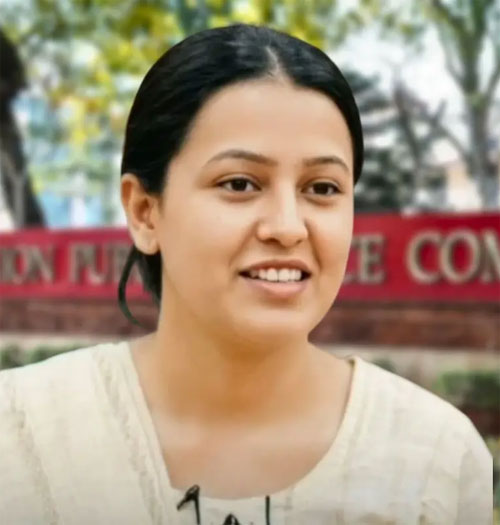
The final results for the UPSC Civil Services Examination 2025 have been declared, with a total of 958 candidates clearing the prestigious exam this year. Nabiya Parvez from Bulandshahr, Uttar Pradesh, has achieved a remarkable feat by securing All India Rank (AIR) 29.
Her outstanding achievement has brought an atmosphere of celebration not only to her family but to the entire district. Hailing from an ordinary family in Dariyapur Jaka village of Bulandshahr, Nabiya’s success proves that with clear goals and consistent hard work, no dream is out of reach.
Nabiya pursued her Bachelor of Architecture (BArch) at Jamia Millia Islamia in New Delhi. She had set her sights on the civil services during her college years. She was a student at Jamia Millia Islamia’s Residential Coaching Academy (RCA), which played a crucial role in her preparation. Her continuous effort and proper guidance helped her secure a spot in the top 30 in the highly competitive examination.
Meanwhile, Anuj Agnihotri secured the first position with AIR 1 in the UPSC CSE 2025 results. The other candidates making it to the top 10 list include Rajeshwari Suve M, Aakansh Dhul, Raghav Jhunjhunwala, Ishan Bhatnagar, Jinnia Arora, A R Raja Mohideen, Pakshal Secretary, Aastha Jain, and Ujjwal Priyank.
source: http://www.daijiworld.com / Daijiworld.com / Home> Top Stories / by Daijiworld Media Network – New Delhi / October 20th, 2026
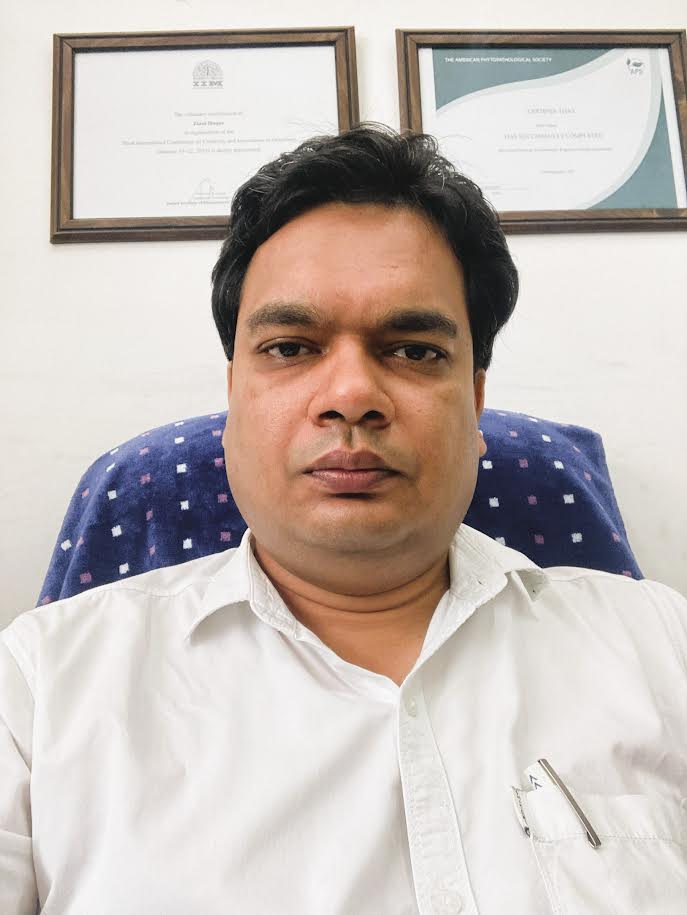
The Indian Patent Office has granted a patent to Aligarh Muslim University (AMU) faculty members and research scholars for an innovation titled “A Novel Bioformulation and a Process for the Preparation Thereof” (Patent No. 605826).
The invention was developed by a team led by Dr. Ziaul Haque, along with Prof. Mujeebur Rahman Khan, Sarwar Nawaz, Lavi Haider and Mohd Shahid Anwar Ansari. Filed through AMU’s IP Cell, the patent marks a significant contribution to sustainable plant protection and bioformulation technology.
The achievement highlights AMU’s continuing research efforts in biocontrol and innovation.
source:http://www.indiaeducationdiary.in / India Education Diary / Home> Educational News> University News / by iednewsdesk / October 16th, 2026
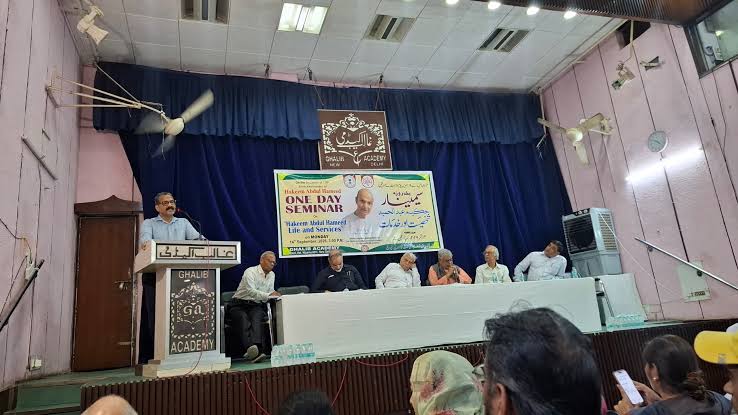
Rich tributes paid to the legacy of renowned Unani medicine at a seminar in New Delhi; speakers recall his multifaceted contributions to Ghalib Academy.
New Delhi :
Rich tributes were paid to Hakeem Abdul Hameed, the visionary institution-builder, educationist, Unani physician and champion of humanity, at a seminar organised at the Ghalib Academy here recently to mark his 118th birth anniversary.
Eminent Unani medicine experts, writers, academics and scholars recalled his multifaceted contributions to medicine, education, Urdu language and literature, public welfare and humanitarian service. Several speakers also presented papers highlighting different aspects of his life and enduring legacy.
Welcoming the participants, Dr Aqeel Ahmad, secretary of the academy, said Hakeem Abdul Hameed laid the foundation of the Ghalib Academy in 1935 after acquiring land near the tomb of Mirza Ghalib. The academy, he said, was among the earliest institutions established by Hakeem Abdul Hameed and has continued the tradition of commemorating its founder’s birth anniversary every year.
Delivering the presidential address, eminent litterateur Dr G R Kanwal said Hakeem Abdul Hameed had rendered an “unforgettable service” to Urdu through the establishment of the Ghalib Academy.
“He spoke little, slept little and ate little,” Dr Kanwal said, describing him as a simple and unassuming person. The Ghalib Academy was inaugurated by Dr Zakir Husain, then President of India and a noted admirer of Mirza Ghalib, he added.
Dr Kanwal said Hakeem Abdul Hameed remained detached from honours and recognition. “Honours and awards were contrary to his nature. In the real sense, he was a Bharat Ratna. He was a leader of humanity. Sufism was reflected in his actions. He was a man of action—Abu-ul-Amal,” he said.
Dr Amanullah of the Central Council for Research in Unani Medicine (CCRUM) said Hakeem Abdul Hameed, guided by patience, gratitude and contentment, transformed Hamdard, founded by his father, into a major institution.
Prof. Akhtar-ul Wasey, former president of Maulana Azad University, Jodhpur, said Hakeem Abdul Hameed’s mother had raised him “like a living saint”. Recalling his contribution to education, he said Hakeem Abdul Hameed established the Rabia Girls Public School in Old Delhi and later set up an English-medium school in Sangam Vihar. The latter, he said, has attracted families living abroad seeking quality education for their children.
Prof Wasey said the establishment of the Ghalib Academy marked an exceptional contribution to Urdu language and literature. Hakeem Abdul Hameed also launched Hamdard Sehat, helping to pioneer medical journalism, he added.
Dr Syed Farooq, CEO of Himalaya Drugs, described Hakeem Abdul Hameed as a remarkable personality with a deep interest in education. He established a hospital in Burhanpur and extended assistance to people in need, Dr Farooq said.
Presenting a paper titled “Hakeem Abdul Hameed: Hikmat, Services and a Beacon of Humanity,” Hakim Nazish Ihtisham Azmi said Hakeem Abdul Hameed occupied a prominent place in India’s modern intellectual, medical and social history.
His contributions, he said, illuminated and strengthened several fields, including Unani medicine, higher education, public welfare and humanitarian service. He described Hakeem Abdul Hameed’s life as a rare combination of knowledge and action, moral excellence, institution-building, personal discipline and sincerity of purpose.
Dr Rakhshanda Roohi from Jamia Millia Islamia, presenting a paper titled “Champion of Linguistic Harmony: Hakeem Abdul Hameed,” said his contributions went far beyond medicine and education. He played an important role in promoting national integration, India’s composite Ganga-Jamuni culture, and cultural and linguistic harmony between Hindi and Urdu, she said.
Dr Roohi said Hakeem Abdul Hameed had established the Indian Project at the Ghalib Academy under the leadership of Prof Mohammad Hasan, reflecting his commitment to India’s composite cultural heritage.
Dr Samar Jahan, a teacher in a govt school, also presented a paper highlighting the life and multifaceted services of Hakeem Abdul Hameed.
Prof. Shareef Husain Qasmi, formerly associated with the Persian Department in Delhi University, recalled several scholarly and research-related episodes from Hakeem Abdul Hameed’s life. He said many important medical works were written in Persian until the time of Aurangzeb. Hakeem Abdul Hameed arranged for such works to be translated and also established an institution called Islamic Studies, where Arabic works were translated.
Syed Ausaf Ali headed the institution and played an important role in advancing its work, Prof Qasmi said.
The seminar was attended by a large number of scholars, writers, academics and other prominent personalities, including Dr Nigar Azim, Shama Afroz Zaidi, Zaheer Ahmad Barni, Prof Moazzamuddin, Mazhar Mahmood, Dr Tabassum Shadab, Prof Salim Qidwai, Advocate Sharfuddin Ahmad, Sarfaraz Ahmad Faraz, Ehteram Siddiqui, Kamaluddin, Arif Husain, Shamim, Abu Noman, Ravi Patwardhan, Khizr-ul-Islam, Khursheed Bano, A Bari Masoud, Saud Akhtar, Menak Aston Sufi, Sadiq Shirwani, Shri Kant Kohli, Parveen Vyas, Pawan Kumar Tomar, Nitin Chadha and Sabiha, among others.
source: http://www.clarionindia.net / Clarion India / Home> Editor’s Pick> India / by Abdul Bari Masoud / September 20th, 2026
Many individuals dedicate their lives to serving humanity but remain away from the limelight. Through their compassion and commitment, they make a lasting difference in the lives of others. Shakil Ahmed of Jalgaon, Maharashtra, is one such individual who has devoted nearly two decades to helping critically ill patients access affordable treatment.
A few years ago, I met Shakil in Mumbai and wanted to write about his inspiring work, but could not do so at the time. Recently, when he visited Delhi, I invited him to the Muslim Mirror office to learn more about his journey and the humanitarian initiative he has built through the First Aid Foundation (FAF).
Shakil’s mission began in 2008 when he visited a critically ill patient at Mumbai’s JJ Hospital. The suffering of the patient and the distress of the family deeply moved him. He realised that for families confronting life-threatening diseases such as cancer, the challenge was not just the illness itself but also the enormous cost of treatment and the difficulty of navigating an unfamiliar healthcare system.
That experience changed his life. He decided to help patients who struggled to obtain treatment because of financial constraints or a lack of information about affordable medical facilities.
Over the past 18 years, Shakil, through the First Aid Foundation, has helped more than 2,100 patients who travelled to Mumbai for treatment. By guiding them towards government and charitable hospitals, he has helped families avoid the high costs of private healthcare, saving them crores of rupees.
The foundation’s assistance goes beyond identifying suitable hospitals. It guides patients towards medical institutions equipped to treat their specific illnesses and connects them with wholesale dealers of medicines and surgical supplies, helping them obtain essential items at lower prices. Since specialised medicines can be prohibitively expensive, these connections can significantly reduce treatment costs.
The foundation also directs patients to diagnostic centres offering CT scans and MRI scans at affordable rates. For families already struggling to arrange money for treatment, reducing the cost of medical investigations can provide substantial relief.
Accommodation is another major concern. Patients often arrive in Mumbai with family members and must remain there for weeks or months. The cost of staying near a hospital can add considerably to their financial burden. FAF helps families find inexpensive accommodation so they can remain close to their loved ones without exhausting their limited resources.
Explaining the urgency of his mission, Shakil points out that people often plan major expenses, such as marriages or purchasing a house, years in advance. But life-threatening illnesses, including cancer and brain haemorrhage, can strike without warning.
“For a middle-class family, arranging Rs 5–10 lakh for the treatment of a critical illness can be almost unbearable. In cases of bone marrow failure, treatment may require Rs 25–30 lakh,” he says.
Families frequently sell jewellery or property, or borrow money at high interest rates, to meet these expenses. Even when the patient survives, the family may be left financially devastated, having lost its savings and accumulated substantial debt.
“Helping such families obtain treatment at the minimum possible cost is our mission,” Shakil says.
When treatment at a government or charitable hospital is not feasible, the foundation connects patients with non-governmental organisations that provide financial assistance. These networks can be a lifeline for families who have exhausted their savings and cannot afford further treatment.
Shakil believes patients need more than medical care during such a crisis. They also require encouragement and emotional support.
“Such patients need two things at the critical moment: encouragement and financial support,” he says. “We try to motivate them to face their situation boldly, provide them with pamphlets containing supplications, and guide them towards government or charitable hospitals in Mumbai.”
His approach recognises the emotional toll of serious illness. Patients and their families often experience fear, uncertainty and helplessness. Reliable guidance and reassurance can help them navigate a difficult period with greater confidence.
Shakil is now working to secure a dedicated accommodation facility on rent in Mumbai for patients and their families. It would provide temporary shelter to those arriving from different parts of the country who cannot afford hotels or other costly arrangements. Such a facility would also help families stay near hospitals during prolonged treatment.
Realising this plan will require financial assistance and the cooperation of individuals and organisations committed to humanitarian service.
Shakil Ahmed’s work demonstrates how sustained individual effort can make a tangible difference in people’s lives. By helping patients find appropriate hospitals, access affordable medicines and diagnostic services, and secure low-cost accommodation, the First Aid Foundation addresses several practical challenges that accompany serious illness.
For vulnerable families, a lack of reliable information can make a medical emergency even more difficult. Without guidance, they may struggle to identify suitable treatment options or face expenses they cannot afford. FAF seeks to bridge this gap through practical assistance, guidance and emotional support.
While private hospitals provide important specialised services, the high cost of treatment can place healthcare beyond the reach of ordinary families. Patients need reliable information to understand their options and make informed decisions. The foundation’s work helps them explore more affordable alternatives wherever appropriate.
Shakil may not receive widespread media attention, but his contribution is measured in the lives he has helped and the financial hardship he has eased. His journey is a reminder that meaningful humanitarian work does not always require a large organisation or public recognition; it requires compassion, commitment and a willingness to stand beside people in their most difficult moments.
Those who consider service to humanity a form of worship should come forward to support the First Aid Foundation. Financial contributions, institutional partnerships and voluntary assistance could help it reach more patients and establish the proposed accommodation facility in Mumbai.
Saving a life does not always mean performing a medical procedure. It can also mean helping a patient reach the right hospital, obtain affordable medicines, find a place to stay or giving a distressed family the courage to carry on.
For nearly two decades, Shakil Ahmed has made this his mission. Supporting the First Aid Foundation would help extend that mission to more critically ill patients who need affordable treatment, practical guidance and a helping hand when they need it most.
***
Email: firstaid2015@yahoo.com /
Contact: 9970809946/8668333602
source: http://www.muslimmirror.com / Muslim Mirror / Home> Positive Story / by Syed Zubair Ahmad / October 12th, 2026
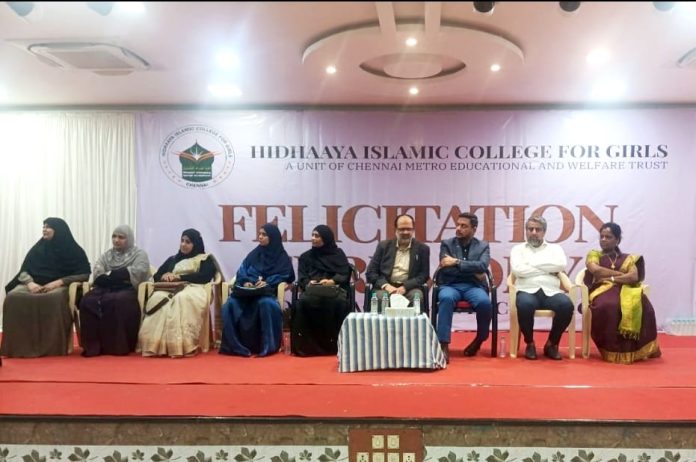
Hidhaaya Islamic College for Girls organised a grand Felicitation Ceremony to honour outstanding achievers in the Class X and Class XII State Board and CBSE examinations while celebrating three significant milestones in the institution’s journey.
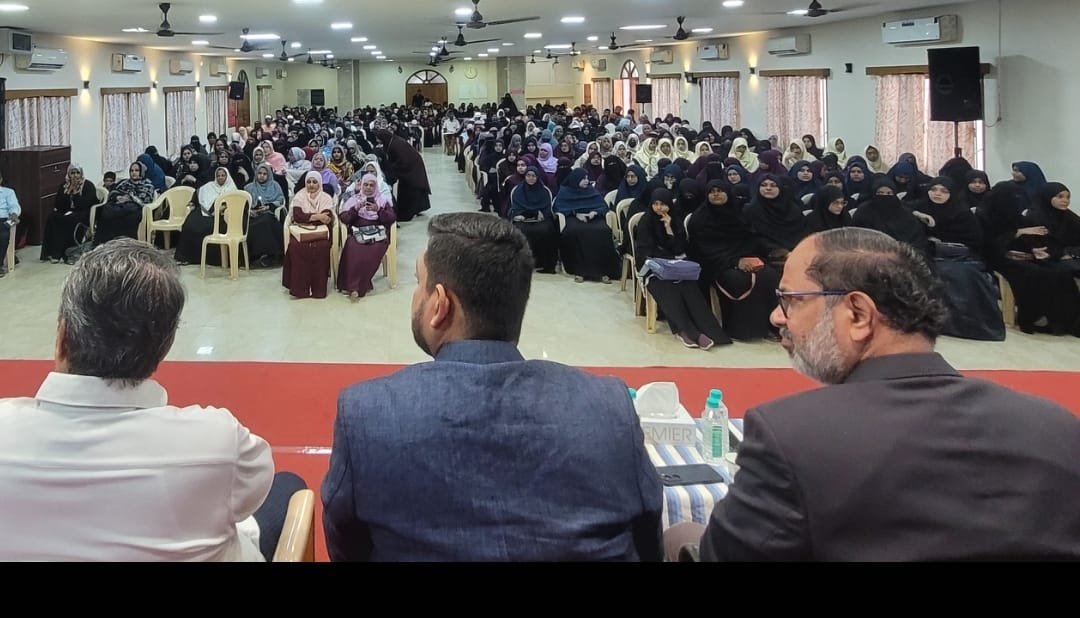
The programme brought together students, parents, educators, community leaders, and distinguished guests in a memorable celebration of academic excellence and educational achievement.
A distinctive feature of the event was Hidhaaya’s commitment to recognising academic merit beyond its own campus.
Unlike conventional felicitation programmes that honour only their own students, Hidhaaya Islamic College for Girls has, for the past four years, recognised Chennai-based students from different schools who secured 90% and above in the State Board and CBSE examinations. This unique initiative reflects the institution’s vision of encouraging excellence, inspiring young achievers, and fostering a culture of academic aspiration within the community.
The response to this year’s programme was overwhelming, with more than 180 meritorious students from over 40 schools registering for the felicitation ceremony. The event witnessed the participation of more than 500 students, parents, teachers, and well-wishers, demonstrating the growing importance of recognising academic excellence and motivating young achievers.
Addressing the gathering, Dr. Rabia Basri, Principal and Correspondent of Hidhaaya Islamic College for Girls, congratulated the award recipients and emphasised that talented, disciplined, and hardworking students form the foundation of a progressive nation. She encouraged the students to continue striving for excellence with sincerity and integrity and prayed that Allah bless them with beneficial knowledge, continued success, and opportunities to contribute positively to society.
She also highlighted the institution’s educational philosophy of providing holistic education by integrating Islamic Studies, the Arabic language, and contemporary education. Hidhaaya aims to nurture young women who are intellectually capable, spiritually enriched, morally upright, and socially responsible, preparing them to become confident leaders and valuable contributors to society.
The programme also marked two important milestones in the college’s development. The first was the warm welcome extended to the new batch of students, who officially joined the Hidhaaya family and commenced their educational journey.
The second was the celebration of a historic achievement – the successful graduation of Hidhaaya’s first batch of Alimah students. These students completed the 3-year Alimah programme while simultaneously pursuing their Class XII education through the National Institute of Open Schooling (NIOS). Having successfully completed both streams of education, they have secured admission to various colleges in different academic disciplines, exemplifying Hidhaaya’s vision of integrating Islamic education with mainstream higher education.
Speaking on the occasion, Mr. Nazeer Ataullah, Chairman of Hidhaaya Islamic College for Girls, described this achievement as a proud milestone in the institution’s journey. He reaffirmed the college’s commitment to empowering young Muslim women through quality education rooted in Islamic values while preparing them for higher education, professional excellence, and meaningful contributions to society. He reminded the students to always remember the two people behind their success – their parents and their teachers – whose sacrifices, guidance, and encouragement made their achievements possible. He also advised the students to continuously develop their skills, emphasising that in today’s competitive world, skills are essential for becoming unique, capable, and successful.
The felicitation ceremony was graced by several distinguished personalities from the fields of education, business, law, and community service, including:
Anis Khan, Chairman, Zara Global School, Salem; Managing Director, JMS Group of Companies, Tokyo, Japan.
S. M. Poongodi, Administrative Director, Good Word Public School.
M. Gulzar Begum, Assistant Professor, Department of Arabic, B.S. Abdur Rahman Crescent Institute of Science and Technology.
Ajmal Dastagir, Managing Director, Silk Trail Global Exports Pvt. Ltd.; Advisor to the Ministry of MSME, Government of India; Chairman (India), Sustainable Development Council under consultative status with UN-ECOSOC.
S.M. Azizunnisaa Begum, Assistant Professor and Research Supervisor, Department of Legal Studies, School of Law, VISTAS.
H. Sameen Fathima, Principal, Fathima Basheer Matriculation Higher Secondary School for Girls.
In addition to honouring meritorious students from across Chennai, the college recognised its own students for their outstanding achievements in academics, literary activities, cultural events, and co-curricular activities throughout the academic year. Members of the teaching faculty were also felicitated for receiving awards and recognition from prestigious organisations in appreciation of their outstanding contributions to education and society.
The ceremony concluded with prayers for the continued success of all students and reaffirmed Hidhaaya Islamic College for Girls’ unwavering commitment to promoting academic excellence, character development, leadership, and holistic education. The event served as an inspiring reminder that educational institutions play a vital role in nurturing not only academic excellence but also values, confidence, and a lifelong commitment to serving society.
source: http://www.radiancenews.com / Radiance News / Home> Education> Latest News> Report / by Radiance News Bureau / July 13th, 2026
The historical accounts of Malappuram were written by outside people
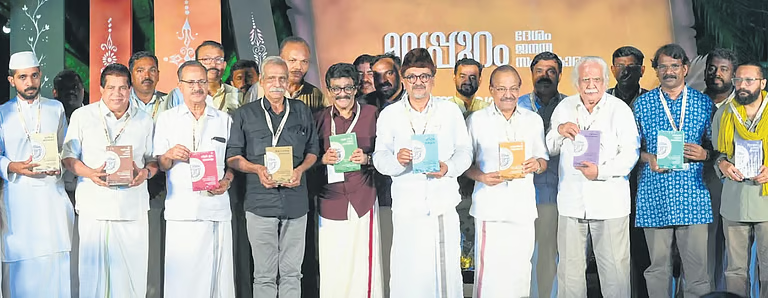
Release of the book on Malappuram Photo / Express
Kozhikode :
Why does Malappuram continue to appear as a trouble spot and the hub of religious fundamentalism in popular imagination and in some political utterances? A book on the history of the geographical area, which is part of the multi-volume project on different aspects of the district, asserts that the notion that Malappuram is a ‘fanatic zone’ was the creation of colonialists, which continues to linger in popular discourses even after the country became independent.
“People of this area fought against the British invasion and boycotted their language as a token of protest. Naturally, the colonialists had an antagonism towards the people.
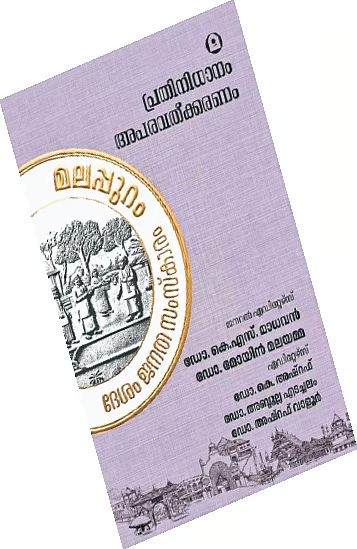
But the tragedy is that there are people who still nurture the colonial mindset,” said Minister for Industries and IUML national general secretary P K Kunhalikutty, while launching the 10-volume book ‘Malappuram: Geography, People, Culture’ in Malappuram on October 4.
“The areas under the present Malappuram came under British rule in 1792. Since then, there were resistances against the British and the colonialists brought a number of black laws like the Mappila Outrages Act to contain the agitations.
There were a number of British reports like that of T L Strange, which depicted Malappuram as an unmanageable spot,” said Moyin Hudavi Malayamma, one of the general editors of the volume.
“The historical accounts of Malappuram were written by outside people. The people of Malappuram seldom got a chance to express what they actually are. Our project, in a way, is people writing their own history,” he added.
“Colonial records were the only available materials for those who studied the history of Malappuram. Naturally, those who wrote about Malappuram later were heavily influenced by these records.
The Hindutva narrative on Malappuram was built on this notion. Curiously, the Left is also parroting the narrative,” said Ashraf Valoor, one of the editors of the volume.
“Ours is an academic response to stereotyping. This is an alternative to the colonial and Hindutva narratives on Malappuram,” Valoor said. “It is true that early writers like EMS Namboodirippad viewed the 1921 agitation from the correct perspective. But later we see that the Left also internalised the colonial notion and that is why anti-Malappuram remarks are coming from some CPM leaders at regular intervals,” he added.
Valoor believes that the fact that the IUML is on the other side of the political spectrum also compelled the CPM to take an antagonistic stand towards the people of Malappuram. “Political enmity of some CPM leaders sometimes crosses the border and descends to communal level,” he said.
The volume contains academic articles on the process of ‘otherisation’ of Malappuram, the hate campaign during the formation of the district, the stories on the ‘aggression’ by Tipu Sultan and the communal amity in Malappuram. The project was envisaged by the Malappuram district committee of the Muslim Youth League and financially supported by the Saudi unit of Kerala Muslim Cultural Centre (KMCC), a feeder organisation of the IUML.
source: http://www.newindianexpress.com / The New Indian Express / Home> Kerala / by MP Prashanth / October 17th, 2026
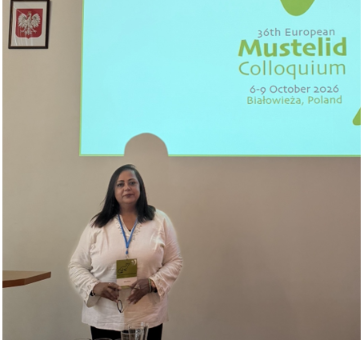
Prof. Orus Ilyas of the Department of Wildlife Sciences, Aligarh Muslim University (AMU), and research scholar Umrah Viqar presented their research at the 36th European Mustelid Colloquium, held alongside the Białowieża Ecology Conference in Białowieża, Poland.
Prof. Ilyas presented a paper titled “The Underappreciated Apex: Reviewing the Ecological Role and Conservation Status of the Yellow-throated Marten (Martes flavigula) Across the Himalayan and East Asian Bioregions”, examining the species’ ecological significance and conservation status across the Himalayan and East Asian regions.
Umrah Viqar presented her research on “Ecological Insight into the Yellow-throated Martens, Martes flavigula: Habitat Use and Dietary Pattern in the Reserved Forest of Ranikhet Kumaon, Himalayas”, focusing on the species’ habitat use and dietary patterns in the Himalayan region.
The presentations highlighted the ecological importance of the yellow-throated marten and the need for a better understanding of its ecology, distribution and conservation challenges.
Prof. Ilyas received financial assistance from the Anusandhan National Research Foundation (ANRF), Government of India, and the Indian National Science Academy (INSA) to participate in the conference, while Umrah Viqar received support from the organisers.
source: http://www.indiaeducationdiary.in / India Education Diary / Home> Educational News> University News / by iednewsdesk /October 16th, 2026